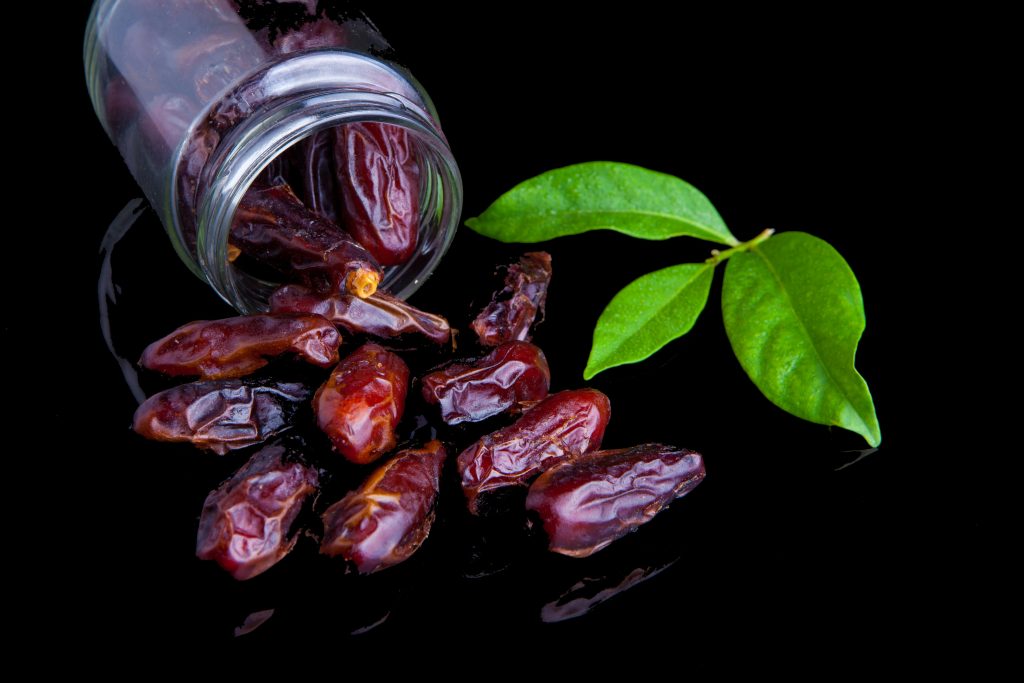
The Surprising Benefits of Date Fruit Consumption During Late Pregnancy
Are you expecting and looking for natural ways to support a smoother labor and delivery process? Look no further than the humble date fruit (Phoenix dactylifera). A recent study conducted at Jordan University of Science and Technology delved into the impact of consuming date fruit during late pregnancy, shedding light on its potential benefits for expectant mothers. This article explores these findings and offers practical recommendations for incorporating dates into your pregnancy diet.
Understanding the Study
The study, led by O. AL-KURAN and colleagues, examined the effects of consuming six date fruits per day for four weeks leading up to the estimated due date. They compared 69 women who followed this regimen with 45 women who did not consume date fruit. The results suggest that date fruit consumption may significantly influence labor and delivery outcomes.
Key Findings
1. Faster Cervical Dilatation
On admission to the labor suite, women who consumed date fruit had significantly higher mean cervical dilatation compared to non-consumers (3.52 cm vs. 2.02 cm). Faster dilatation can mean a shorter and less strenuous labor process, reducing stress and discomfort for the mother.
2. Increased Spontaneous Labor
A remarkable 96% of women who consumed dates experienced spontaneous labor, compared to 79% in the non-date fruit group. This indicates that dates might support the body’s natural onset of labor, reducing the need for medical induction.
3. Reduced Need for Induction/Augmentation
Only 28% of women in the date fruit group required labor induction or augmentation, compared to 47% in the non-date group. This significant difference suggests that dates could potentially lower the need for medical interventions.
4. Shorter Latent Phase
Women who consumed date fruit had a significantly shorter latent phase of the first stage of labor (510 minutes on average vs. 906 minutes). This indicates a more efficient progression toward active labor.
Nutritional Benefits of Date Fruit
Dates are not only delicious but also packed with essential nutrients:
- Carbohydrates and Energy: Natural sugars like glucose and fructose provide a quick energy boost, crucial for the physical demands of labor.
- Dietary Fiber: High fiber aids digestion and helps prevent pregnancy-related constipation.
- Essential Vitamins and Minerals: Dates contain potassium (electrolyte balance), magnesium (muscle relaxation), and iron (preventing anemia).
Practical Recommendations
Include Date Fruit in Your Daily Diet
Aim to consume six date fruits per day during the last four weeks leading up to your estimated due date. You can enjoy them on their own or get creative:
- Smoothies: Blend with bananas, spinach, and almond milk.
- Oatmeal: Add chopped dates for fiber and sweetness.
- Energy Balls: Combine with nuts, coconut, and cocoa powder.
- Salads: Use for a touch of natural sweetness.
Important Considerations:
- Consult with Your Healthcare Provider: Before making significant dietary changes, ensure they are safe for your individual pregnancy journey.
- Stay Mindful of Portion Sizes: Dates are high in natural sugars; balance your intake with other nutrient-rich foods.
- Monitor Your Body’s Response: Keep track of how you feel and discuss any changes with your provider.
Additional Tips for a Smoother Labor
In addition to dates, consider these tips:
- Stay Active: Moderate exercise like walking and prenatal yoga builds stamina.
- Stay Hydrated: Aim for 8-10 glasses of water per day.
- Practice Relaxation: Techniques like deep breathing and meditation reduce anxiety.
- Educate Yourself: Childbirth classes prepare you mentally and emotionally.
- Create a Birth Plan: Helps you feel more prepared and in control.
- Build a Support Network: Surround yourself with supportive people, including your partner and a doula.
Conclusion
The findings of this study highlight the potential benefits of date fruit for supporting a smoother labor and delivery. By combining natural nutrition with proactive care, you can take positive steps toward a healthy birthing experience.
For more detailed information, you can access the original study here.